
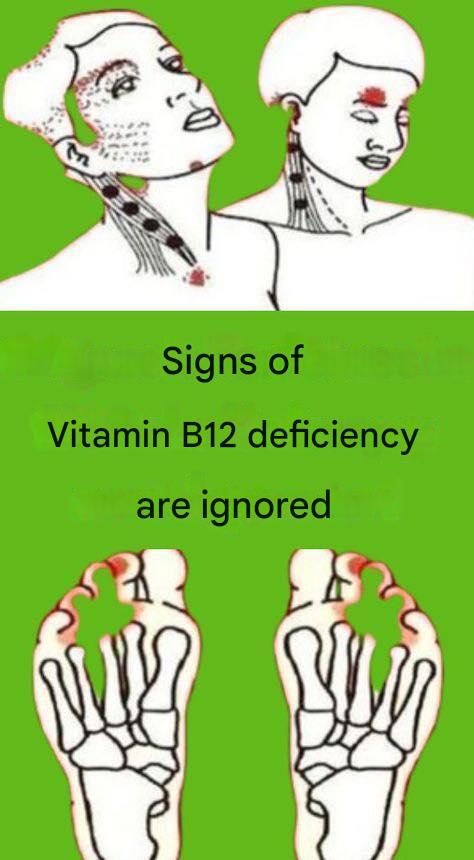
4. Difficulty Walking or Maintaining Balance
Low B12 levels can affect the nervous system and interfere with coordination, balance, and muscle control. As a result, some people may experience unsteadiness, difficulty walking, or a feeling that their legs are weak.
New or worsening problems with balance or walking require prompt medical assessment, especially when accompanied by numbness or weakness.
5. Memory Difficulties and Trouble Concentrating
Vitamin B12 deficiency can affect cognitive function. Possible symptoms include forgetfulness, difficulty concentrating, confusion, and problems with mental clarity.
In more severe cases, neurological and cognitive changes may occur. However, memory problems have many potential causes, and experiencing them does not automatically mean someone has a B12 deficiency.
6. Mood Changes and Irritability
Some people with low vitamin B12 levels experience irritability, mood changes, or depressive symptoms. B12 contributes to normal nervous system function and several biological processes involved in brain health.
Mood changes alone cannot establish a deficiency, but persistent symptoms deserve attention, particularly when other possible signs are present.
7. Shortness of Breath and Dizziness
A vitamin B12 deficiency can lead to anemia, reducing the blood's ability to transport oxygen effectively. This may cause dizziness, weakness, or shortness of breath, sometimes even during ordinary daily activities.
Severe shortness of breath, chest pain, fainting, or a rapid deterioration in your condition requires urgent medical attention.
8. A Sore, Swollen, or Smooth Tongue
Another possible sign is glossitis, a condition in which the tongue becomes inflamed, tender, or unusually smooth. It may appear red and cause discomfort when eating or speaking.
Some people also experience mouth soreness or a burning sensation. These symptoms can occur with other nutritional deficiencies and medical conditions, so proper evaluation is important.
9. Changes in Vision
In uncommon cases, a significant or prolonged B12 deficiency can affect the optic nerve and cause visual disturbances.
Blurred vision or other changes in eyesight should never automatically be attributed to a vitamin deficiency. Sudden vision loss or sudden double vision requires emergency medical assessment.
For more useful household tips, click (NEXT) below!

