
The Importance of Boundaries
Healthy boundaries are an important part of maintaining good relationships.
They can include:
- Limiting how much emotional energy you give
- Clearly communicating what you need
- Saying no without feeling guilty
- Refusing to participate in gossip
- Taking space when you need it
A healthy friend may not always agree with your boundaries, but they should generally be willing to respect them.
Repeatedly ignoring or challenging reasonable boundaries can be a sign that the relationship needs closer attention.
Not Every Period of Distance Means Someone Is Fake
Temporary distance shouldn't automatically be interpreted as evidence of a fake friendship.
People go through busy periods involving:
- Work
- Family responsibilities
- Personal problems
- Emotional exhaustion
- Major life changes
A friend may be unavailable for a while without becoming insincere.
What matters more is the broader pattern and whether they make an effort to reconnect when circumstances improve.
How to Build Healthier Friendships
Instead of focusing exclusively on identifying problematic friends, it can be more productive to focus on creating strong relationships yourself.
Healthy friendships often involve:
- Mutual respect
- Honesty
- Shared effort
- Emotional safety
- Genuine care
You can strengthen your own relationships by:
- Communicating openly
- Showing appreciation
- Being dependable
- Listening carefully
- Respecting other people's boundaries
- Addressing problems before resentment builds
Friendship is a two-way relationship. It tends to become stronger when both people are willing to invest in it.
When It May Be Time to Step Back
Sometimes communication and effort aren't enough to repair a friendship.
You may want to create some distance if you consistently feel:
- Undervalued
- Disrespected
- Ignored
- Unable to maintain reasonable boundaries
- Hurt by repeated breaches of trust
Stepping back doesn't necessarily require a dramatic confrontation.
Sometimes it simply means reducing how much time and emotional energy you invest in the relationship.
Final Thoughts
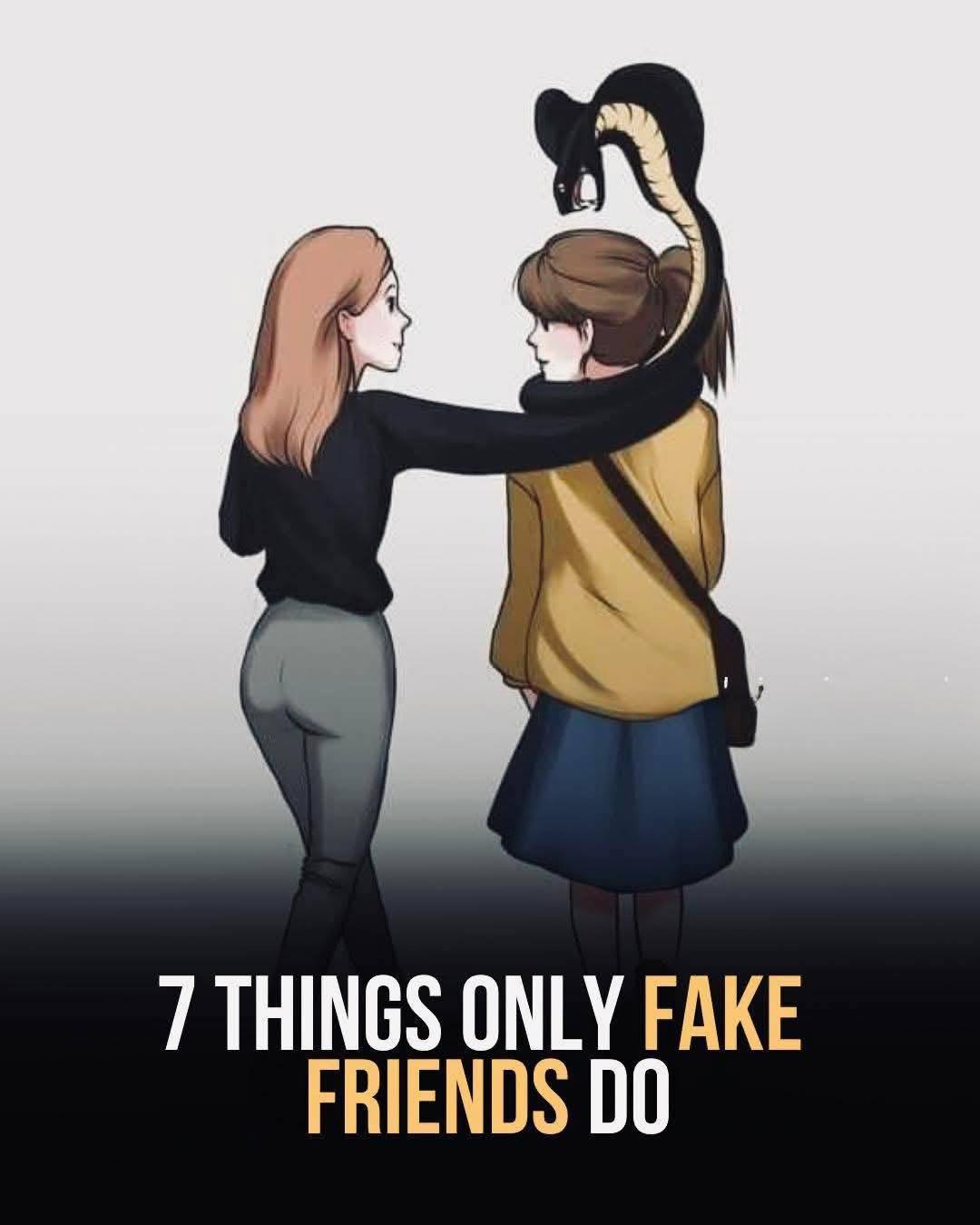
The idea of “fake friends” often comes from genuine experiences of feeling ignored, betrayed, or taken for granted.
But an imperfect friendship isn't automatically fake, and one difficult interaction doesn't necessarily reveal someone's true intentions.
The more useful things to examine are patterns, balance, trust, and emotional impact.
Healthy friendships generally involve mutual effort, respect, emotional safety, and genuine care over time.
And when those qualities are present, friendship can become one of the most valuable parts of life.
Because real friendship isn't about perfection.
It's about presence, respect, trust, and the willingness to show up for one another when it matters.

