
5. Problems with Your Internal Thermostat
Do you feel cold when others are comfortable, or unusually hot when the weather is mild?
The thyroid helps regulate body temperature through its influence on metabolism. Thyroid dysfunction can interfere with this process, causing unusual sensitivity to cold or heat.
6. Unexplained Weight Changes
Unexpected weight changes can sometimes be a warning sign.
With hypothyroidism, a slower metabolism may contribute to weight gain. With hyperthyroidism, an increased metabolic rate can lead to weight loss, sometimes despite an increased appetite.
However, weight changes alone cannot establish whether someone has a thyroid disorder.
7. Irregular Menstrual Periods
Menstrual cycles that become irregular or involve unusually light or heavy bleeding may be associated with a hormonal imbalance, including thyroid dysfunction.
Thyroid disorders can also affect ovulation and fertility in some women.
8. Persistent Brain Fog
Are you experiencing ongoing confusion, memory problems, slower thinking, or difficulty concentrating?
Hypothyroidism can affect cognitive function, sometimes creating the feeling that your thoughts are moving more slowly or that concentrating requires extra effort.
Persistent brain fog can also have other causes, so it should not automatically be attributed to the thyroid.
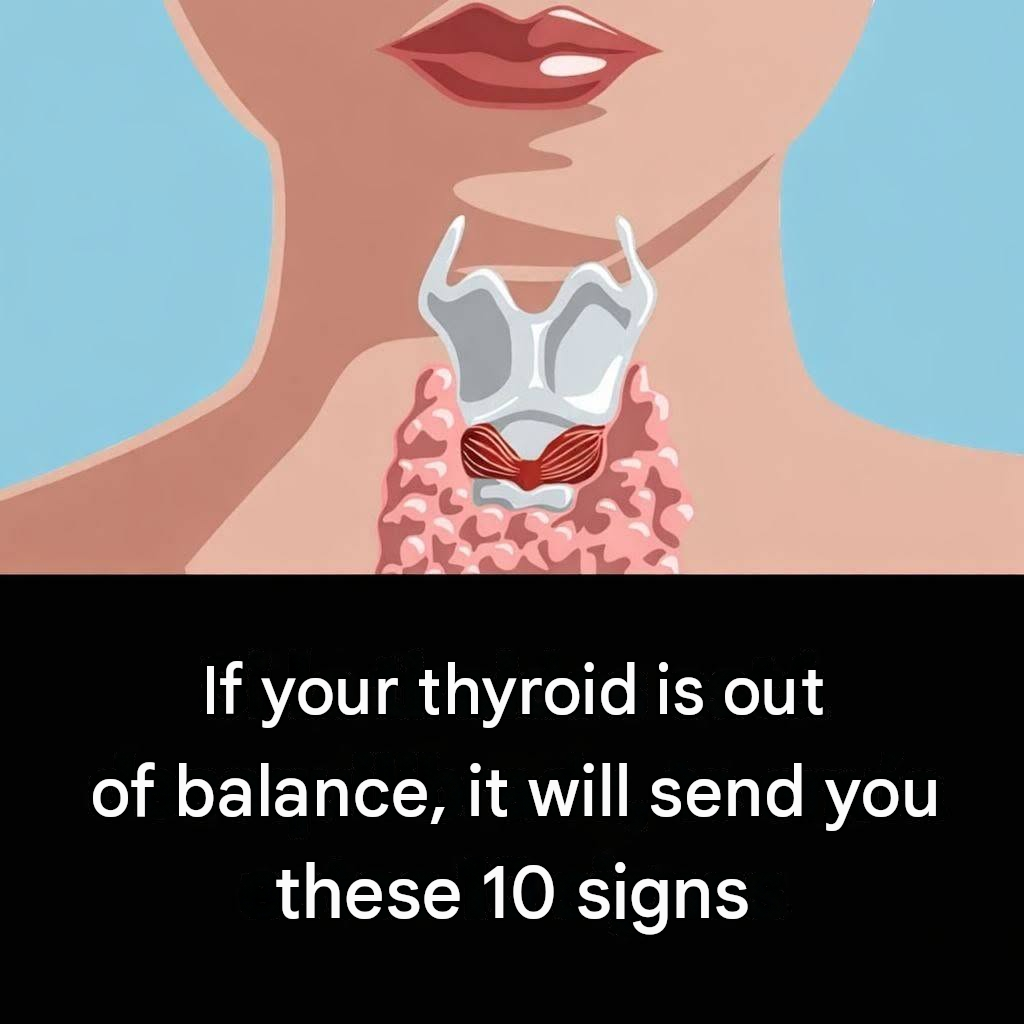
9. Neck Discomfort or Swelling
A sensation of fullness in the throat, difficulty swallowing, or a visible enlargement of the thyroid gland, known as a goiter, may indicate a thyroid problem.
Swelling or asymmetry in the front of the neck should be evaluated by a healthcare professional, especially if it is new or continues to grow.
10. An Unusually Fast or Slow Heartbeat
Palpitations, a racing pulse, or an unusually slow heartbeat can sometimes be associated with thyroid dysfunction.
Thyroid hormones influence heart rate and cardiovascular function. An excess may cause a rapid heartbeat, while insufficient levels may contribute to a slower heart rate.
A new or persistent change in heart rhythm deserves medical assessment. Chest pain, fainting, or severe shortness of breath requires urgent medical attention.
Who Is Most at Risk?
Certain groups have a higher likelihood of developing thyroid disorders, including:
- Women, who are more likely than men to develop many thyroid conditions.
- Adults over 60, who may experience thyroid problems with less obvious symptoms.
- People with a family history of thyroid disease.
People with certain autoimmune conditions or a personal history of thyroid problems may also have an increased risk.

