
4. Mood Changes and Irritability
Vitamin B12 plays a role in the production and function of serotonin and dopamine, neurotransmitters involved in mood regulation. A deficiency may contribute to emotional changes, particularly over time.
5. Pale or Slightly Yellowish Skin
This subtle sign, often mistaken for ordinary tiredness, may indicate megaloblastic anemia associated with vitamin B12 deficiency. It can develop gradually and go unnoticed.
6. Balance or Coordination Problems
Are you stumbling more often than usual? Do you feel less steady when walking? Vitamin B12 contributes to normal nervous system function and the body's awareness of its position in space. A deficiency can affect the spinal cord and increase the risk of falls.
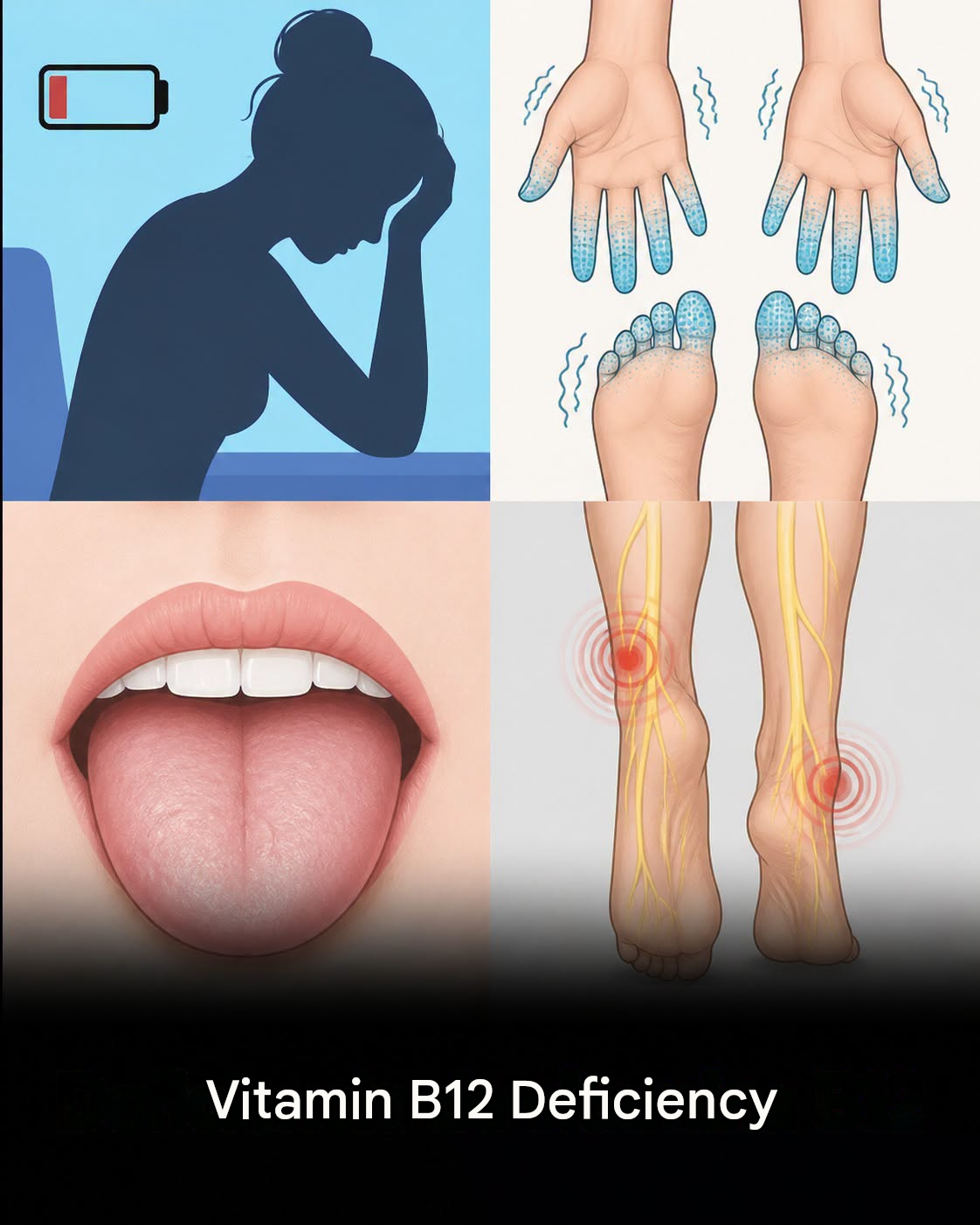
7. A Smooth, Red, or Sensitive Tongue
Glossitis—inflammation of the tongue that causes it to lose its normal texture—is a classic sign that is frequently overlooked. If your tongue appears unusually smooth, shiny, or painful, it is worth seeking medical advice.
8. Vision Changes
Although less common, severe vitamin B12 deficiency can affect the optic nerve. Any episode of blurred or double vision should prompt a medical assessment without delay.
What Should You Do If You Recognize These Symptoms?
The first step is to speak with your doctor. A blood test can measure vitamin B12 levels. Depending on the situation, tests for methylmalonic acid and homocysteine may also help confirm a deficiency.
Treatment depends on the underlying cause, such as insufficient dietary intake, absorption problems, or medication-related factors. Possible approaches include:
- Improving your diet with eggs, oily fish, lean meats, and dairy products.
- Taking oral supplements, including forms such as methylcobalamin, when appropriate.
⬇️To learn more, continue on the next page⬇️

