
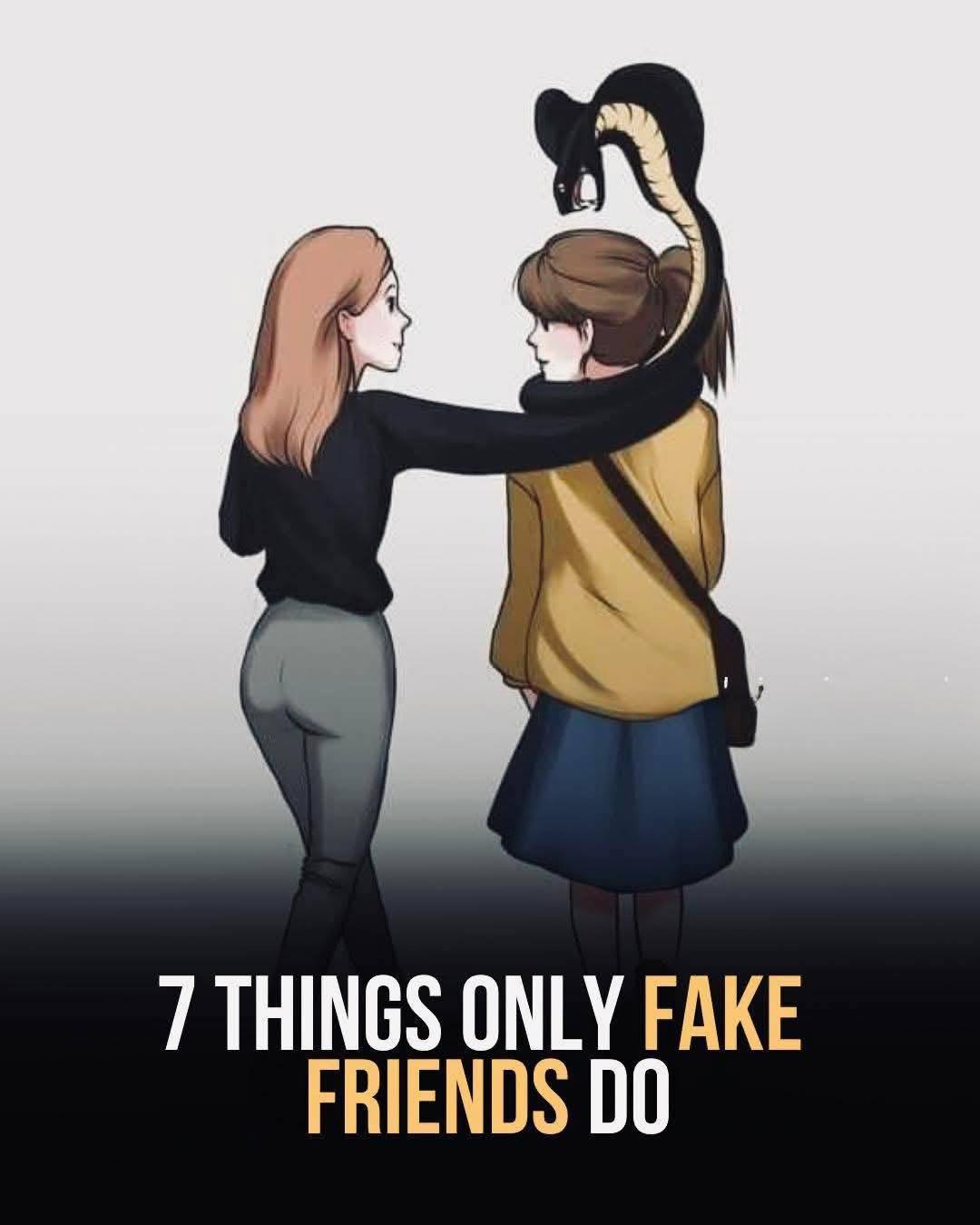
5. They Constantly Compete With You
Friendship doesn't have to be a competition.
Yet some relationships gradually turn into comparisons involving:
- Achievements
- Appearance
- Relationships
- Career progress
- Money
- Personal milestones
A competitive friend might repeatedly try to outdo your story, minimize your accomplishment, or redirect attention toward themselves.
Over time, this can create tension and make you feel as though every achievement needs to be defended.
A healthier friendship allows both people to celebrate their progress without treating one person's success as a threat to the other.
6. They Disappear When Life Gets Difficult
Difficult periods often reveal how reliable a relationship really is.
An unreliable friendship may become distant when you're:
- Experiencing emotional difficulties
- Going through a loss
- Dealing with failure
- Facing a stressful situation
- In need of consistent support
Someone might stop responding, avoid difficult conversations, or return only after your situation improves.
That doesn't necessarily mean they don't care. Some people genuinely don't know how to respond to serious emotional situations.
Still, repeated absence during important moments can indicate that the friendship doesn't provide the level of support you need.
Real friendship doesn't require someone to have all the answers. Sometimes simply checking in or being present can make a meaningful difference.
7. You Consistently Feel Drained After Being Around Them
One of the most useful things to consider is how the relationship affects you over time.
After spending time with a healthy friend, you might generally feel:
- Respected
- Understood
- Supported
- Comfortable
- Emotionally balanced
In an unhealthy dynamic, you may repeatedly leave interactions feeling:
- Exhausted
- Anxious
- Unappreciated
- Confused
- Emotionally overwhelmed
This doesn't automatically mean the other person is intentionally harmful. Sometimes two people simply have incompatible personalities, communication styles, or expectations.
But if the relationship consistently leaves you feeling worse, it's worth examining what is happening.
Why the “Fake Friend” Label Can Be Misleading
It's tempting to categorize someone as a “fake friend,” especially after being hurt.
But human relationships are rarely completely black and white.
A person may become distant because they are:
- Overwhelmed
- Dealing with family problems
- Experiencing burnout
- Struggling with communication
- Going through a major life transition
- Unaware that their behavior is affecting you
Sometimes the problem isn't intentional harm at all. The relationship may simply have become unbalanced.
Instead of focusing only on labels, it can be more useful to examine:
- Healthy vs. unhealthy patterns
- Mutual vs. one-sided effort
- Respectful vs. dismissive behavior
- Trust vs. repeated boundary violations
This approach allows you to protect yourself without automatically assuming the worst about everyone.

