
What Can Cause Nerve Damage?
Peripheral neuropathy does not have a single cause.
Diabetes is one of the most common causes, but other health problems can also contribute.
Possible causes include metabolic disorders, low levels of certain vitamins, thyroid or kidney diseases, excessive alcohol consumption, certain medications, certain infections, autoimmune diseases, and injuries or pressure affecting the nerves.
In some cases, no specific cause can be identified.
Therefore, trying to determine the cause based solely on symptoms is not enough.
Why Can the Toes Be the First Place to Show Changes?
Some forms of peripheral neuropathy first affect areas that are farthest from the center of the body.
For this reason, symptoms may begin in the toes and progress toward the feet and legs.
Over time, some people may also develop symptoms in their hands.
When symptoms appear similarly in both feet, especially if they progress slowly, it is important to discuss them with a healthcare professional.
Diabetes Deserves Special Attention
People with diabetes have a higher risk of developing nerve damage, especially when blood glucose levels remain elevated for prolonged periods.
Nerve damage can reduce the ability to feel pain or temperature in the feet.
This can create a dangerous situation: an injury may exist without the person realizing it.
For this reason, people with diabetes should pay particular attention to the condition of their feet and follow the checkups recommended by their healthcare team.
What Can You Do If You Notice These Changes?
The first step is to observe when they occur and how they develop over time.
You can pay attention to:
- Whether it occurs in one foot or both.
- Whether it happens during the day or mainly at night.
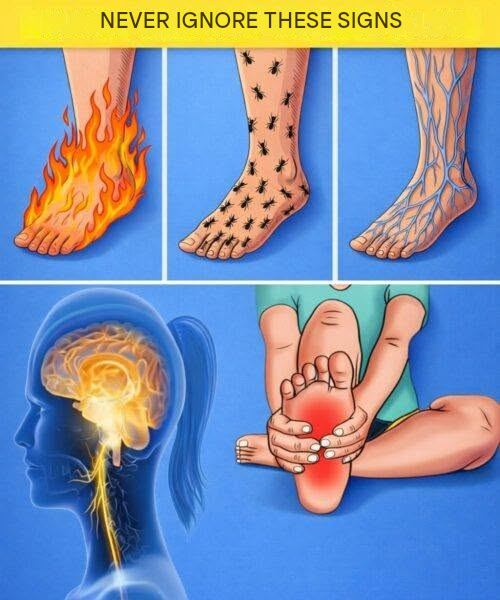
- Whether there is pain, burning, or tingling.
- Whether your sensitivity has decreased.
- Whether you notice weakness.
- Whether you have started tripping more frequently.
- Whether there are wounds, blisters, or changes in the skin.
This information can be useful when speaking with a healthcare professional.
It is not recommended to start taking supplements or treatments on your own simply because you experience tingling in your feet.
How Can the Cause Be Investigated?
The evaluation may include questions about your symptoms, medical history, and medications.
A healthcare professional may also check sensation, reflexes, muscle strength, balance, and the condition of your feet.
Depending on the situation, blood tests may be ordered to look for causes such as abnormal blood glucose levels, thyroid problems, kidney disease, or low vitamin B12 levels.
In some cases, specialized nerve tests may be used.
The goal is not only to determine whether neuropathy is present, but also to identify what may be causing it.
Take Care of Your Feet Every Day
If you have reduced sensation, prevention becomes even more important.
Check your feet for cuts, blisters, redness, swelling, or wounds.
Wear footwear that does not cause rubbing or irritation, and avoid walking barefoot if you have reduced sensation.
Also pay attention to the temperature of the water to avoid burns that you may not be able to feel properly.
If you have diabetes, foot care should be part of your regular routine.
When Should You Seek Medical Advice?
It is advisable to seek an evaluation if tingling, burning, numbness, pain, or weakness occurs repeatedly, gets worse, or begins to interfere with walking, sleeping, or normal activities.
You should also pay particular attention to any wound that does not heal, becomes red, swells, or shows other signs of infection.
Sudden weakness, sudden loss of sensation, or sudden difficulty walking requires urgent medical attention, especially if it occurs together with other neurological symptoms.
Don't Ignore the Small Signs
Changes in the toes may seem insignificant at first. A little tingling, occasional burning, or a sensation of numbness may seem like something that will simply go away.
And sometimes, it may indeed have a simple explanation.
But when these sensations become frequent or progressively worse, they are worth paying attention to.
Your feet may be one of the first places where you notice that something is changing in the sensation of your body. Recognizing these signs does not mean diagnosing a disease. Rather, it means knowing when it is worth investigating the cause and protecting your feet before a small problem develops into a more serious complication.

