
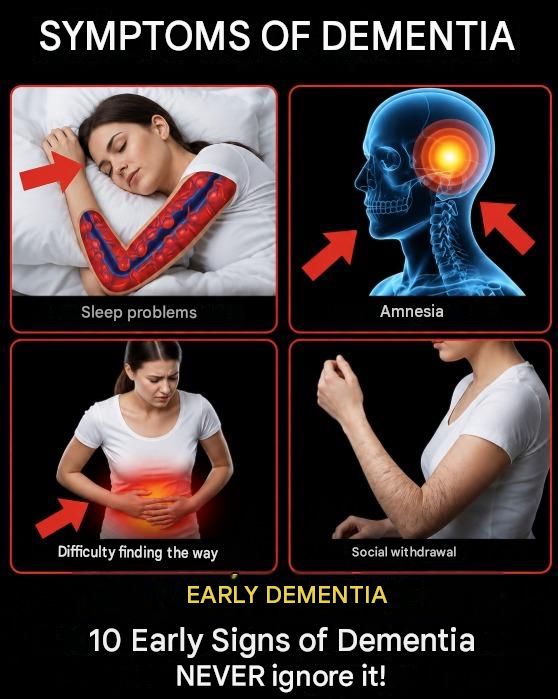
Some everyday memory lapses may not be as insignificant as they initially seem. Recognizing the early signs of Alzheimer’s disease can help someone seek medical evaluation in a timely manner, whether the symptoms affect you or someone close to you. Let’s look at the symptoms that deserve attention and some simple habits that may support brain health.
Symptoms That Should Not Be Ignored
The best-known symptom is memory decline that begins to interfere with everyday life. This may include forgetting recent conversations, repeatedly asking the same question, or failing to remember an appointment that the person had previously written down. This is no longer simply occasional forgetfulness, but rather difficulties that may interfere with normal daily functioning.
Another warning sign may be difficulty organizing tasks or solving simple problems. For example, a person may have trouble following a familiar recipe, paying regular bills, or concentrating on an everyday activity that they previously managed without difficulty.
Disorientation in time and space also deserves attention. Forgetting what day it is or becoming lost in a familiar place may be a reason for further evaluation, especially if such situations occur repeatedly.
There may also be problems with visual perception and spatial orientation. Some people may have difficulty judging distances correctly, recognizing familiar faces, or following a line while reading. These difficulties can have various causes, so they should not be ignored.
In the area of communication, difficulty finding the right words may occur. A person may struggle to find a particular expression, describe it indirectly, repeat themselves, or lose track of a conversation. If these problems occur more frequently and noticeably than before, they may require professional evaluation.
Other possible warning signs include:
- Putting things in unusual places and subsequently having difficulty finding them,
- Poor or inappropriate decisions involving money, safety, or personal hygiene,
- Gradually withdrawing from social contact and favorite activities,
- Changes in mood or behavior, such as increased irritability, anxiety, or suspiciousness,
- Difficulty following conversations or processing new information.
It is important to understand that these difficulties do not automatically mean that someone has Alzheimer’s disease. They can be related to many other factors and health conditions. If they are new, getting worse, or beginning to interfere with everyday life, it is advisable to consult a doctor.
What You Can Do for Your Brain Health
The good news is that some everyday habits can contribute to maintaining overall brain health. They are not a guaranteed way to prevent Alzheimer’s disease, but they are steps that support overall health and can form part of a healthy lifestyle.
Quitting smoking is an important decision for overall health. A balanced diet and adequate intake of certain nutrients, such as vitamin B12 and vitamin D, also deserve attention. A deficiency in these nutrients can have health consequences, so if you suspect a deficiency, it is advisable to discuss the situation with a doctor.
Regular physical activity benefits not only the body but also overall brain health. Regular exercise, such as approximately 30 minutes a day depending on a person’s abilities, can be part of a healthy routine.
It is also important to limit excessive alcohol consumption, wear a protective helmet during activities where there is a risk of head injury, and regularly stimulate the brain through activities such as reading, solving crossword puzzles, or learning new skills.
Quality sleep and managing long-term stress may also play a role. Getting enough rest and maintaining a regular routine can support overall mental and physical well-being.

