
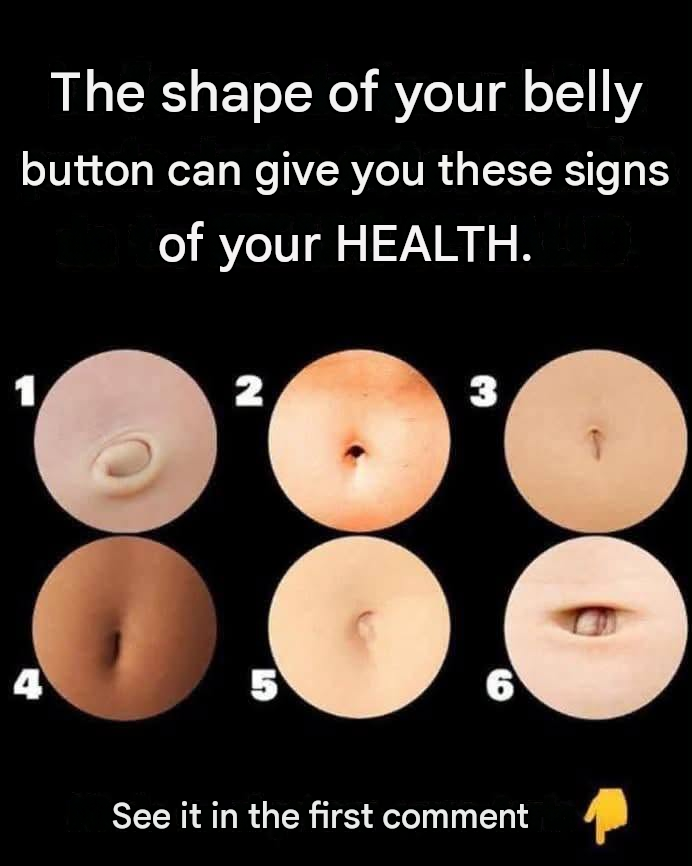
Common Mistakes When Examining Your Belly Button
A common mistake is comparing the shape of your belly button with viral images and concluding that you have a disease.
It is also incorrect to repeatedly squeeze a lump, puncture a lesion, or attempt to drain discharge yourself.
Do not apply antibiotics, antifungal medications, or corticosteroid creams without knowing the cause. Some treatments can worsen irritation or temporarily hide symptoms.
You should not ignore an abnormality simply because it does not hurt. A growing lump, recurring discharge, or unexplained bleeding deserves medical evaluation even when there is no pain.
When Should You Consult a Healthcare Professional?
Arrange a medical assessment if you notice:
- A new lump or one that is growing.
- Persistent or worsening pain.
- Discharge, pus, or blood.
- An unpleasant odor that continues despite cleaning and drying the area.
- Redness, warmth, or swelling.
- A lesion that changes during menstruation.
- A wound that does not heal.
- Changes following surgery or a piercing.
Seek emergency care if a lump becomes extremely painful, hard, or dark, or if it is accompanied by fever, vomiting, confusion, or severe abdominal swelling.
Conclusion
The natural shape of your belly button cannot be used to diagnose diseases. A deep, oval, horizontal, or protruding navel may be completely normal.
What matters most is recognizing recent changes. A new lump may indicate a hernia, redness and discharge may be associated with an infection, and a lesion that bleeds during menstruation may require investigation for endometriosis.
Serious diseases that cause changes around the belly button are uncommon. Nevertheless, a persistent or progressively changing lesion should be examined rather than interpreted using a viral chart.
Frequently Asked Questions
Does an outward belly button mean I have a hernia?
Not necessarily. It may have been your natural shape since childhood. However, a new bulge that becomes more prominent when coughing or straining may indicate a hernia.
Is it normal for my belly button to smell bad?
An unpleasant odor can result from accumulated sweat, dead skin cells, or moisture. If it persists after cleaning or occurs alongside pain or discharge, seek medical advice.
What does it mean if fluid comes out of my belly button?
It may be caused by irritation, infection, a piercing, or, rarely, a congenital abnormality. Persistent discharge requires medical evaluation.
Can endometriosis develop in the belly button?
Yes, although it is uncommon. It may cause a painful, dark, or bleeding nodule that becomes more noticeable during menstruation.
Can the shape of my belly button reveal digestive problems?
No. Its normal shape cannot tell you whether you have gastritis, constipation, fatty liver disease, or another digestive condition.
When is a belly button lump an emergency?
When it becomes extremely painful, hard, red, purple, or dark, or when it occurs alongside vomiting, fever, or abdominal swelling.
Medical Disclaimer
This article is intended for informational purposes only and does not replace a medical consultation, physical examination, or professional diagnosis.
Do not puncture, drain, or forcibly push back a belly button lump. Seek emergency medical care if you experience severe pain, vomiting, fever, dark discoloration, or rapidly worsening symptoms.

