Blood Clots and Warning Signs
One serious condition involving veins is deep vein thrombosis (DVT), in which a blood clot develops in a deep vein, usually in the leg.
Possible symptoms include:
- Swelling in one leg
- Pain or tenderness
- Warmth
- Redness or discoloration
DVT can be dangerous because part of a clot can travel to the lungs and cause a pulmonary embolism.
Sudden shortness of breath, chest pain, coughing up blood, or fainting requires emergency medical attention.
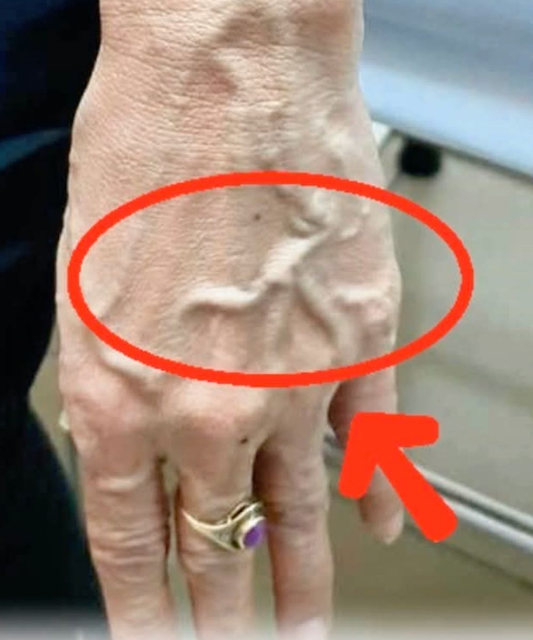
Importantly, however, an ordinary visible vein does not mean you have a blood clot.
Can Stress Make Veins More Noticeable?
Stress and anxiety can temporarily affect cardiovascular responses and also make people more attentive to normal changes in their bodies.
Someone experiencing health anxiety, for example, may begin noticing veins that have actually been visible for a long time.
Stress itself isn't usually a direct explanation for permanently prominent veins.
Habits That Support Vein Health
Several everyday habits can support general cardiovascular and vascular health.
1. Stay Physically Active
Walking and regular physical activity encourage healthy blood flow.
Long periods of sitting or standing can contribute to leg discomfort and may worsen symptoms in people who already have vein problems.
2. Stay Hydrated
Adequate fluid intake supports normal circulation and overall bodily function.
3. Maintain a Healthy Weight
Excess body weight can increase pressure on the veins, particularly those in the legs.
4. Elevate Your Legs When Appropriate
For people experiencing certain types of leg discomfort or swelling, elevating the legs may help reduce pressure and improve comfort.
5. Consider Compression Socks When Recommended
Healthcare professionals sometimes recommend compression stockings for conditions such as:
- Varicose veins
- Leg swelling
- Certain circulation problems
- Long periods of travel or standing
They aren't appropriate for everyone, so people with vascular concerns should ask a healthcare professional whether compression is suitable.
Common Myths About Visible Veins
Myth 1: Visible veins always mean poor health.
False. Many healthy people naturally have prominent veins.
Myth 2: Only older people develop visible veins.
False. Young, lean, and athletic people can also have very visible veins.
Myth 3: Prominent veins mean you have high blood pressure.
Not necessarily. Blood pressure cannot be determined from the appearance of veins.
Myth 4: Every visible vein is dangerous.
False. Most visible veins are simply a normal anatomical feature.
Cosmetic Concerns and Self-Confidence
Some people feel self-conscious about prominent veins, particularly on the hands, legs, or chest.
Others associate visible vascularity with athleticism or fitness.
Both reactions are understandable. There is considerable natural variation in how veins appear from person to person.
For people seeking treatment for cosmetic reasons, options can include procedures such as sclerotherapy or certain laser treatments, depending on the type of vein involved.
A dermatologist or vascular specialist can determine which options, if any, are appropriate.
What Doctors Consider When Examining Veins
When evaluating prominent or changing veins, healthcare professionals may consider:
- Size
- Shape
- Location
- Symptoms
- Family history
- Skin changes
- Swelling
- Overall circulation
If necessary, an ultrasound or another imaging test may be used to examine blood flow and the structure of the veins.
Final Thoughts
Visible veins can become more noticeable for many ordinary reasons, including:
- Genetics
- Lower body fat
- Exercise
- Aging
- Heat
- Hormonal changes
- Individual anatomy
In many cases, they are completely normal.
However, visible veins accompanied by pain, significant swelling, redness, warmth, sudden changes, or breathing problems should not be ignored.
The most important takeaway is simple:
Visible veins alone do not determine how healthy you are.
They are simply one of the many ways human bodies naturally differ from one another.

