
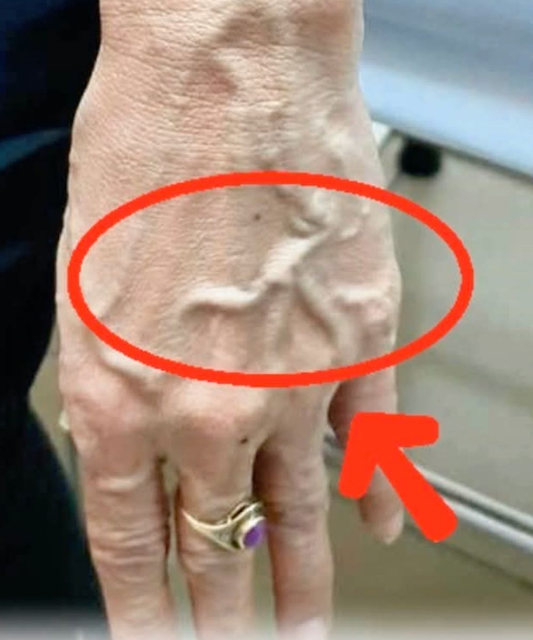
Visible veins are something many people notice at different points in their lives. For some, veins are naturally prominent on the hands, arms, legs, chest, or feet. For others, they become more noticeable because of exercise, aging, changes in body weight, temperature, or other factors.
Social media often turns this normal physical characteristic into dramatic claims such as:
“If you have visible veins, it means you are…”
The reality is much more complicated.
Visible veins do not automatically indicate a health problem—or exceptional health. In many cases, they are simply a normal feature of someone's anatomy. However, changes in vein appearance can occasionally be associated with circulation problems or other medical conditions.
Understanding the common reasons veins become visible can help you avoid unnecessary worry while also recognizing situations that deserve medical attention.
What Are Veins?
Veins are blood vessels that carry blood back toward the heart after it has circulated through the body.
Many veins are located relatively close to the surface of the skin, particularly around the:
- Hands
- Arms
- Legs
- Feet
- Neck
- Chest
Because of their position, they can become more or less visible depending on a person's body composition, genetics, temperature, and activity level.
Why Are Some People's Veins More Visible?
There are many normal reasons why one person may have much more visible veins than another.
1. Lower Body Fat
One of the most common explanations is having relatively little subcutaneous fat.
Fat beneath the skin can partially cover blood vessels. When there is less of this tissue, veins may become easier to see.
This is particularly common among:
- Athletes
- Bodybuilders
- Naturally lean individuals
Prominent veins may be especially noticeable on the arms, hands, shoulders, and legs.
In itself, this is usually not a cause for concern.
2. Genetics
Genetics also play an important role.
Some people naturally have thinner skin or veins that are positioned closer to the surface. If prominent veins are common among members of your family, inherited characteristics may partly explain your appearance.
Skin tone, skin thickness, and the structure of your blood vessels can all influence how visible veins appear.
3. Exercise and Muscle Development
Veins often become more prominent during or shortly after physical activity.
Exercise increases blood flow and temporarily changes muscle and blood-vessel dynamics. Body temperature also rises during exercise.
Over time, strength training and changes in body composition can make vascularity more noticeable.
This is one reason athletes often have prominent veins in their arms and shoulders.
4. Heat and Temperature
Temperature can temporarily change how visible veins appear.
Warm weather, hot showers, and saunas can cause blood vessels near the skin to widen. As a result, veins may temporarily look:
- Larger
- Darker
- More prominent
Cold temperatures generally have the opposite effect, causing blood vessels to constrict and making some veins less noticeable.
5. Aging
Veins can also become more visible as people get older.
With age, the skin tends to become thinner, collagen levels decrease, and the distribution of fat beneath the skin can change.
As a result, veins may become particularly noticeable on the:
- Hands
- Arms
- Legs
For many older adults, this is simply a normal part of aging.
Do Visible Veins Mean You Have Good Circulation?
Not necessarily.
It's easy to assume that prominent veins indicate fitness, strength, or excellent circulation. While lean and physically active people often have visible veins, vein visibility alone cannot tell you how healthy your circulation is.
A person can have:
- Prominent veins and healthy circulation
- Prominent veins and a circulation problem
- Less-visible veins and completely normal circulation
Appearance alone is not enough to assess vascular health.

