
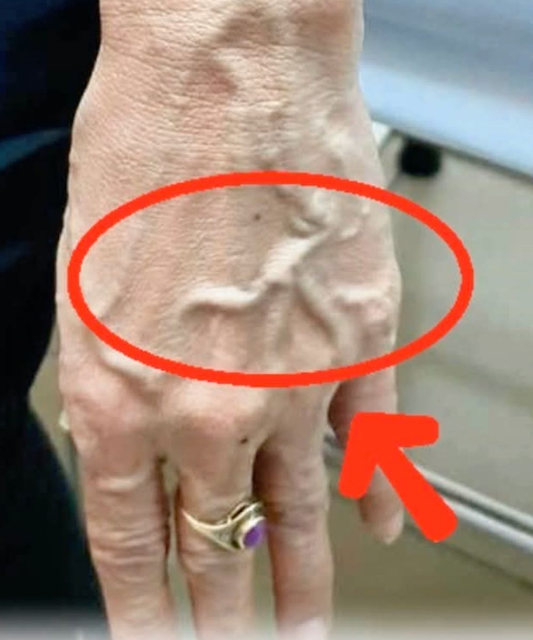
When Are Visible Veins Usually Normal?
Visible veins are generally less concerning when they:
- Have been present for a long time
- Become more prominent during exercise
- Appear gradually with age
- Cause no pain
- Aren't swollen or twisted
- Don't suddenly change in appearance
In these situations, visible veins are often simply part of normal individual anatomy.
Varicose Veins: When Veins Become Enlarged
Not every visible vein is a varicose vein.
Varicose veins are enlarged, twisted veins that most commonly occur in the legs. They may appear:
- Bulging
- Rope-like
- Blue or purple
- Raised above the surface of the skin
Unlike ordinary visible veins, varicose veins can sometimes cause uncomfortable symptoms.
Common Symptoms of Varicose Veins
Possible symptoms include:
- Aching legs
- A feeling of heaviness
- Burning
- Swelling
- Itching
- Muscle cramps
- Leg fatigue after prolonged standing
Varicose veins can develop when valves inside the veins don't function properly, allowing blood to pool in the affected veins.
What About Spider Veins?
Spider veins are much smaller blood vessels located close to the skin's surface.
They can appear red, blue, or purple and may form patterns resembling small webs or branches.
Spider veins are usually considered a cosmetic concern, although some people may experience associated discomfort or other symptoms.
Can Dehydration Make Veins More Noticeable?
Temporary changes in hydration and body fluid levels can influence how prominent veins appear.
After intense exercise or heavy sweating, for example, some people may notice that their veins look more prominent.
However, visible veins alone are not a reliable way to determine whether you are dehydrated.
Hormones Can Also Affect Vein Visibility
Hormonal changes can influence blood vessels and fluid levels.
Pregnancy is one example. During pregnancy, blood volume increases, hormonal changes occur, and the growing uterus can place additional pressure on certain veins.
As a result, some women notice more prominent veins during pregnancy.
Certain medications and hormonal changes may also influence vascular appearance.
Why Do Veins Look Blue or Purple?
An interesting fact is that veins themselves are not actually blue.
Blood inside veins is dark red. Veins can appear blue or purple because of the way light interacts with the skin and underlying tissue.
The skin absorbs and scatters different wavelengths of light, creating the familiar blue or purple appearance.
When Should Visible Veins Be Checked by a Doctor?
Although prominent veins are often harmless, certain accompanying symptoms deserve medical attention.
Consider seeking medical evaluation if a vein becomes associated with:
- Pain
- Sudden swelling
- Redness
- Warmth
- Skin ulcers
- A hard or tender vein
- Rapid changes in appearance
- Significant leg swelling
- Shortness of breath
These symptoms can sometimes be associated with circulation problems or other conditions requiring medical assessment.

