
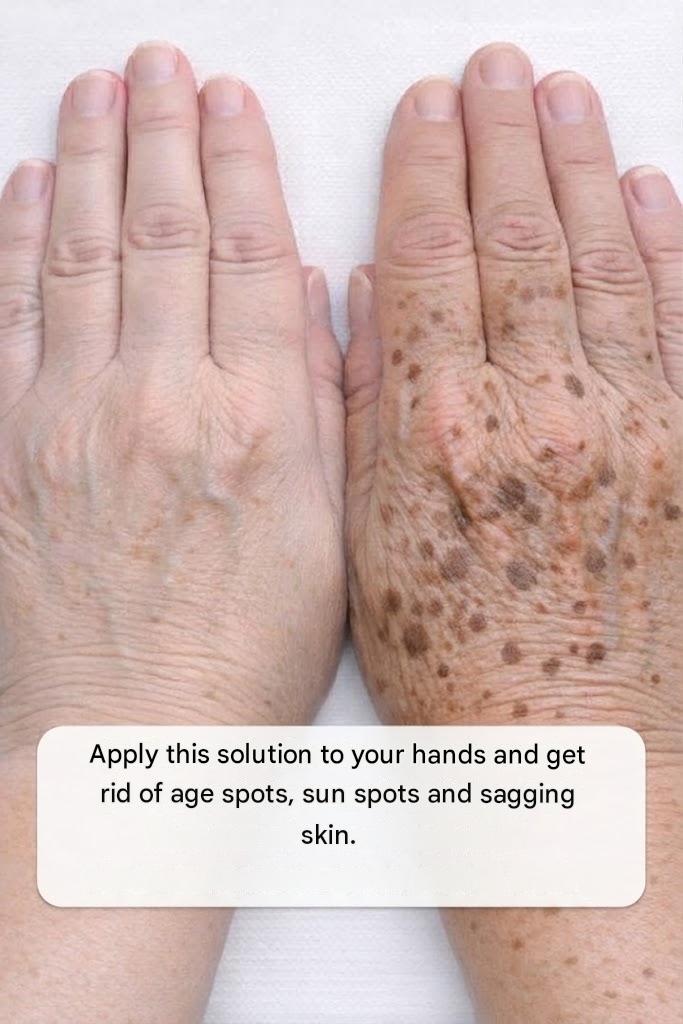
Hands are often among the first parts of the body to reveal signs of aging. Because they are constantly exposed to sunlight, environmental conditions, and everyday activities, they can gradually develop age spots, sun damage, and thin, wrinkled skin.
Although countless creams and treatments claim to restore a youthful appearance, certain skincare ingredients have been studied for their ability to improve these concerns. One of the most widely discussed is retinol, a vitamin A derivative that may help improve skin texture and reduce the appearance of uneven pigmentation over time.
1. Why Do Hands Show Signs of Aging So Quickly?
The skin on the hands is relatively thin and frequently exposed to external factors that contribute to premature aging. Ultraviolet (UV) radiation, pollution, temperature changes, and repeated contact with cleaning products can all affect the skin's condition.
Age spots, also known as sun spots, generally develop after years of exposure to UV radiation, which stimulates melanin production. Meanwhile, thin, wrinkled skin can result from the gradual loss of collagen and elastin, proteins that help maintain the skin's firmness and flexibility.
Frequent handwashing and exposure to harsh chemicals may also remove natural oils, leaving the skin dry and making fine lines more noticeable.
2. The Skincare Ingredient That May Help Improve Aging Hands
Retinol is a form of vitamin A commonly used in skincare products designed to address visible signs of aging. It can encourage skin-cell turnover and support collagen production, potentially helping improve uneven skin tone, fine lines, and skin texture.
Retinol is available in different concentrations, and the appropriate strength depends on the product and the individual's skin sensitivity. Stronger formulations are not necessarily better for everyone, particularly when treating the delicate skin on the hands.
With regular, careful use, retinol may gradually improve the appearance of sun spots and other signs of skin aging. However, results vary, and changes generally take weeks or months rather than just a few minutes.
3. How Retinol Works on the Skin
Retinol influences the process through which skin cells renew themselves. By encouraging cell turnover, it can help improve the appearance of rough texture and uneven pigmentation over time.
For more useful household tips, click (NEXT) below!

