
It also supports processes involved in collagen production. Collagen is an important structural protein that helps the skin maintain its firmness and resilience.
With consistent use, suitable retinol products may help soften the appearance of fine lines, improve skin texture, and reduce some forms of pigmentation. However, the outcome depends on factors such as skin type, product strength, frequency of application, and the extent of existing sun damage.
4. Can Retinol Help Fade Age Spots?
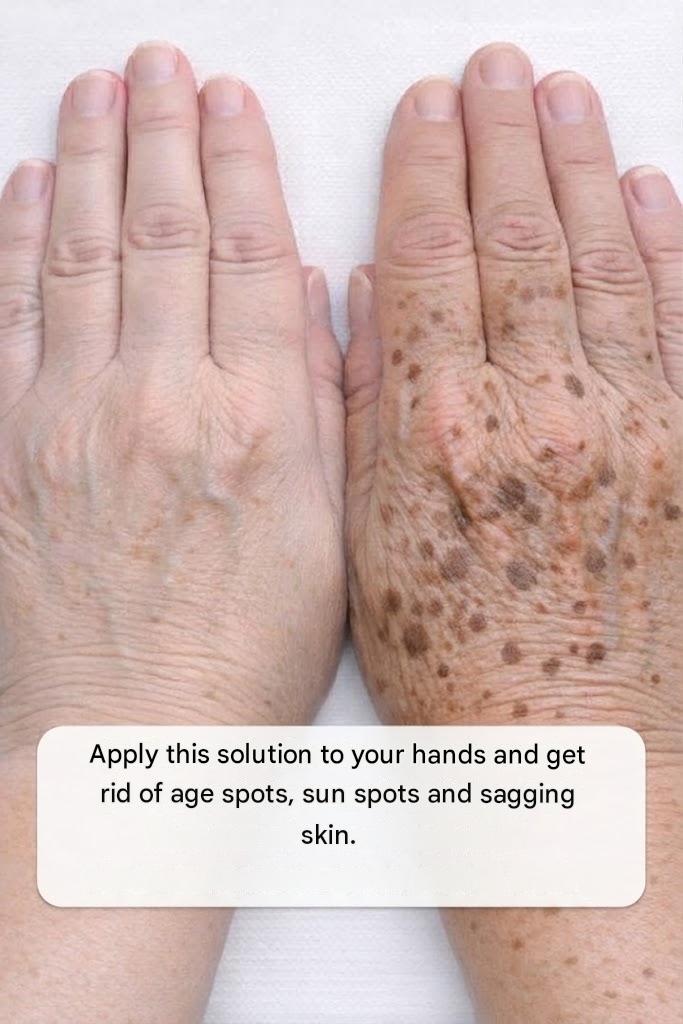
Retinol may help make certain dark spots less noticeable by promoting skin renewal and gradually improving uneven pigmentation. With continued use, some areas of discoloration may become lighter, resulting in a more even-looking skin tone.
Nevertheless, not every dark spot has the same cause, and retinol cannot eliminate all forms of pigmentation. New, changing, irregular, or unusual spots should be evaluated by a healthcare professional rather than treated solely with cosmetic products.
Sun protection is also essential. Applying a broad-spectrum sunscreen with SPF 30 or higher to the backs of the hands can help prevent additional sun damage and reduce the development of new spots.
5. Improving Thin, Wrinkled Skin
Sometimes described as “crepey skin,” thin, finely wrinkled skin can develop as collagen and elastin decline with age and cumulative sun exposure.
Retinol may gradually improve the appearance of fine lines and skin texture by supporting collagen-related processes. However, it does not instantly restore lost skin thickness or completely reverse the effects of aging.
Moisturizing regularly can also help. A hand cream containing ingredients such as glycerin, ceramides, or petrolatum can help retain moisture, soften rough areas, and make the skin appear smoother.
6. How to Apply Retinol to Your Hands
If you decide to try a retinol product, introduce it gradually to reduce the risk of irritation.
- Clean your hands: Wash them with a gentle cleanser and pat them dry.
- Start with a small amount: Follow the product's instructions and apply a thin layer to the affected areas. Avoid broken or irritated skin.
- Begin slowly: Start with two or three applications per week, if the product instructions allow, and increase frequency only if your skin tolerates it.
- Moisturize afterward: Apply a gentle hand cream to help reduce dryness.
- Use sunscreen during the day: Apply broad-spectrum SPF 30 or higher to exposed areas of your hands and reapply as directed, especially after washing.
Retinol can cause dryness, redness, peeling, or irritation. Stop using it if significant irritation develops, and seek professional advice if symptoms persist. People who are pregnant or planning pregnancy should avoid topical retinoids unless their healthcare professional advises otherwise.
The key takeaway: Retinol may help improve the appearance of age spots and fine lines over time, but it is not a three-minute miracle treatment. Consistent skincare, regular moisturizing, and daily sun protection are important for maintaining healthier-looking hands.

