
Cultural beliefs and values
Historical events
Social norms
Language and symbolism
As societies evolve, so do the meanings attached to their symbols.
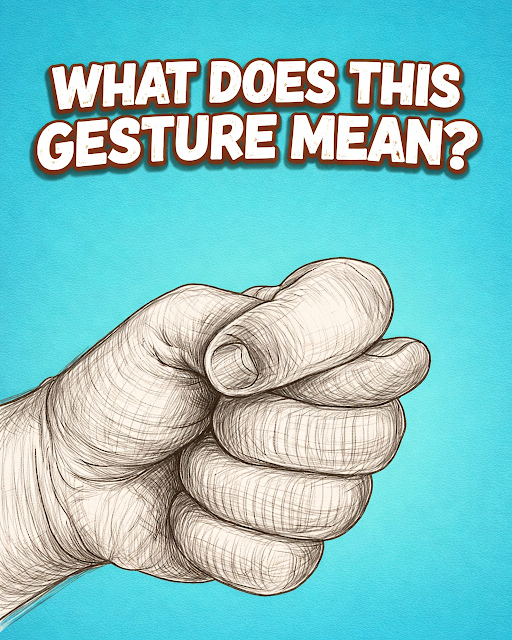
The Fig Gesture Today
In modern times, the fig gesture is less commonly used in everyday communication, but it hasn’t disappeared.
Today, it may appear:
As a playful or nostalgic gesture
In cultural or traditional contexts
As a symbol in art or fashion
For many people, it has lost its stronger meanings and is now simply a curious relic of the past.
A Reminder of Cultural Diversity
The story of the fig gesture is a reminder of how diverse human expression can be.
A single hand movement can carry:
Protection in one culture
Humor in another
Offense in a different context
Understanding these differences helps us appreciate the richness of human communication.
The Power of Small Gestures
It’s easy to overlook something as simple as a hand gesture. But as the fig gesture shows, even the smallest movements can carry deep meaning.
They can:
Connect us to history
Reflect cultural identity
Express complex emotions
In many ways, gestures are like a universal language—one that evolves with us.
Final Thoughts
The “fig” hand gesture may seem small and insignificant at first glance, but its history tells a much larger story.
From ancient Rome to modern-day cultures around the world, it has served as:
A symbol of protection
A sign of fertility and life
A gesture of defiance or humor
Its journey through time highlights the power of symbols and the ways in which meaning can shift and adapt.
So the next time you see—or accidentally make—this gesture, remember: you’re participating in a tradition that spans thousands of years.
And like many aspects of human culture, its true meaning depends on where you are, who you’re with, and how it’s understood.

